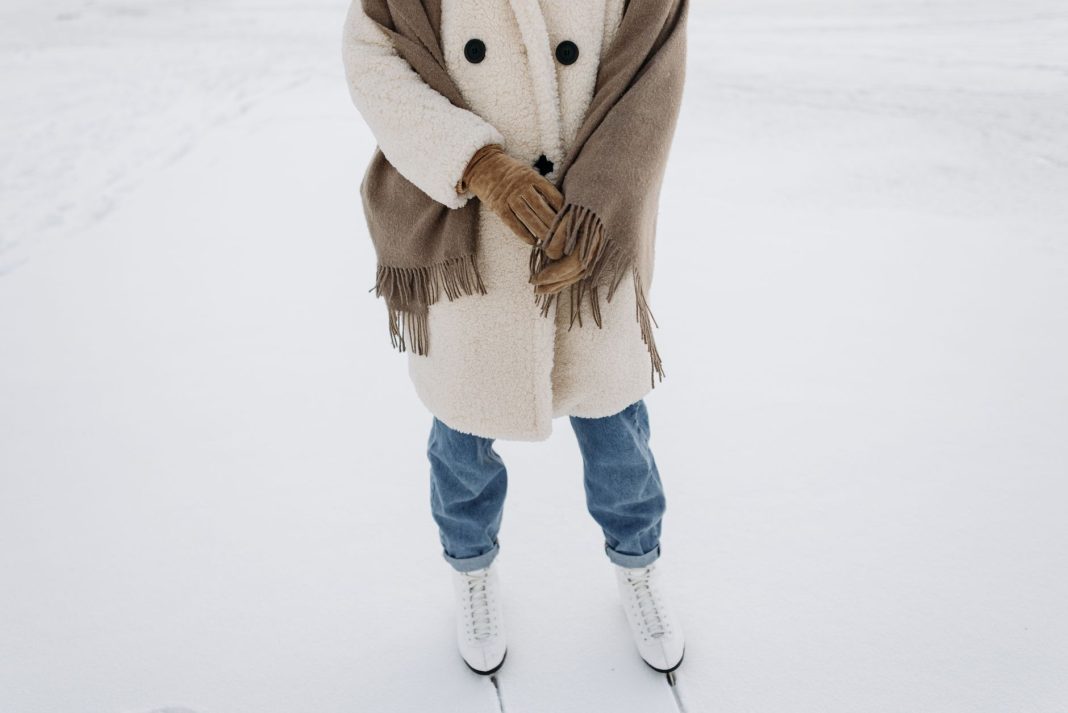
Winter layering always seemed straightforward in theory: put on some clothes, top it off with a coat, and call it a day. Easy, right? Well, not for me. Earlier this season, I attempted what I thought was a foolproof winter outfit and ended up regretting it the second I stepped outside. It was one of those cold-but-not-freezing days, so I didn’t go heavy on my layers. A chunky sweater, a fitted long sleeve underneath, jeans, and a puffer jacket. Perfectly fine—or so I thought. By the time I got to the grocery store, I felt like I was suffocating under my own clothes, and my jacket was so bulky, I was borderline immobile. I looked fine, but I felt miserable.
That was the day I realized I had no idea how to layer properly. I mean, layering sounds simple until you actually have to live in your outfit for a full day. It wasn’t just about how the layers looked together; it was about how they moved, breathed, and worked for my body. After some trial and error (and a few very uncomfortable afternoons), I finally figured out the trick to layering: it’s all about working from thin to thick.
The Thin-to-Thick Rule
Here’s the fix I came up with after my layering fail: instead of piling on bulky pieces wherever I could, I started building from the inside out, starting with the thinnest layer closest to my skin. Thin fabrics act as a base to trap some heat and wick away sweat if things get warm, but they don’t feel suffocating or weigh you down. Think fitted turtlenecks, lightweight long sleeves, or even a snug thermal top. This layer is more functional than fashionable, but trust me—it makes all the difference.
Once I have my base layer, I add something slightly thicker. This is usually where I bring in textures: a soft knit sweater, a cardigan, or a lightweight fleece. This middle layer is where I focus on style, but I make sure it’s breathable and not too bulky. Eventually, my outer layer—the coat—is the heaviest and most insulated piece. This is where I go for warmth over everything else, because once you’re outside, it’s the only thing keeping you from freezing.
Fabrics That Work (and Fabrics That Don’t)
I also learned that not all fabrics play well together, and some can completely throw off the vibe of your outfit. For your base layer, stick to breathable and moisture-wicking fabrics like cotton, silk blends, or merino wool. They’re thin, soft, and functional. For your middle layer, go for knits, cashmere, or fleece—they’re cozy without being overly stiff or bulky. And finally, for your outer layer, you want something that’s durable and insulated, like down-filled jackets, wool coats, or even synthetic blends designed for cold weather.
What doesn’t work so well? Anything too slippery or stiff. I tried layering a satin blouse under a chunky knit once, and I spent the entire day adjusting the sleeves because the fabrics were fighting each other. Also, skip anything overly tight—layers need a little breathing room, both for you and for the clothes themselves.
The Key Is Comfort
At the end of the day, the goal isn’t just to look good; it’s to feel good. The thin-to-thick method has been my lifesaver this winter because it keeps me warm while letting me move freely and comfortably. There’s no weird bunching or suffocating bulk, and I don’t have to peel off layers every time I step indoors. Sure, I’ve had a few outfit fails along the way—every learning curve comes with its mistakes—but now I feel like I actually know what I’m doing when I pull pieces together.
So, if you’re struggling with layering this winter, take a step back and try building your outfit from the inside out. There’s no magic formula or perfection required—just a little common sense and some trial and error. And trust me, once you get it down, you’ll wonder why you ever did it any other way.